
Kaeng tai pla for Health, Income Generation, and Community Well-being Khao Rae Village, Village No. 3, Pak Phraek Subdistrict, Don Sak District, Surat Thani Province
แกงไตปลาเพื่อสุขภาพ เพิ่มรายได้สร้างสุขให้ครัวเรือน บ้านเขาแร่ หมู่ที่ 3 ตำบลปากแพรก อำเภอดอนสัก จังหวัดสุราษฎร์ธานี
Agenda : Outreach and Engagement

SDGs ที่เกี่ยวข้อง

มิติตามแนวทาง ต้นไม้แห่งความสุข

ร้อยละคะแนนความพึงพอใจของผู้ร่วมโครงการ : 95
รายชื่อคณะทำงาน
| ลำดับ | รายชื่อ | สังกัด | หน้าที่ | สัดส่วน |
|---|---|---|---|---|
| 1 | กำไล สมรักษ์ | สำนักวิชาพยาบาลศาสตร์ | หัวหน้าโครงการ | 5 |
| 2 | สุทธิดา แก้วมุงคุณ | สำนักวิชาพยาบาลศาสตร์ | ผู้รับผิดชอบหลัก | 40 |
| 3 | สุมลทิพย์ สนธิเมือง | สำนักวิชาพยาบาลศาสตร์ | ผู้ร่วมรับผิดชอบ | 40 |
| 4 | อาทิตย์ บุญรอดชู | สำนักวิชาพยาบาลศาสตร์ | ผู้ร่วมรับผิดชอบ | 15 |
SDGs ภาษาไทย
SDGs ภาษาอังกฤษ
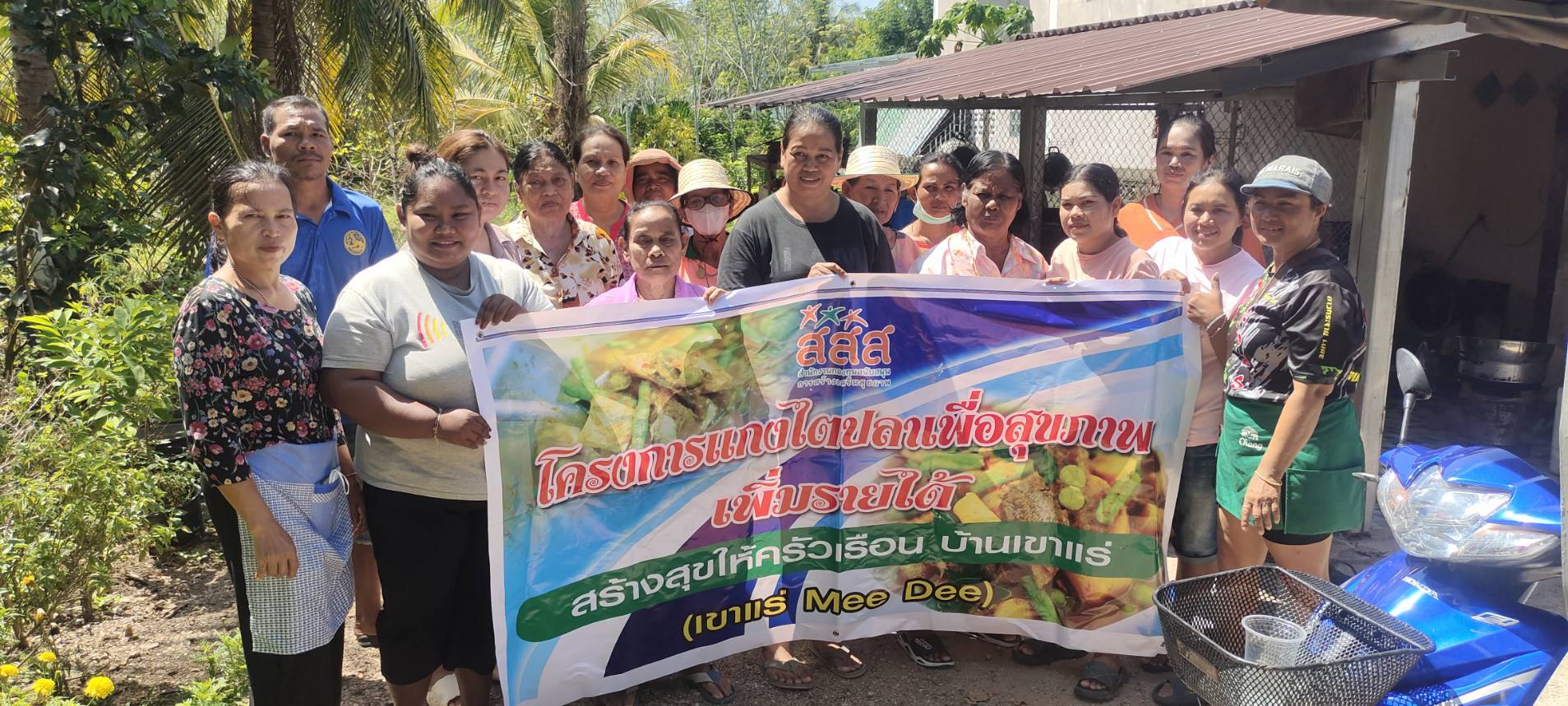
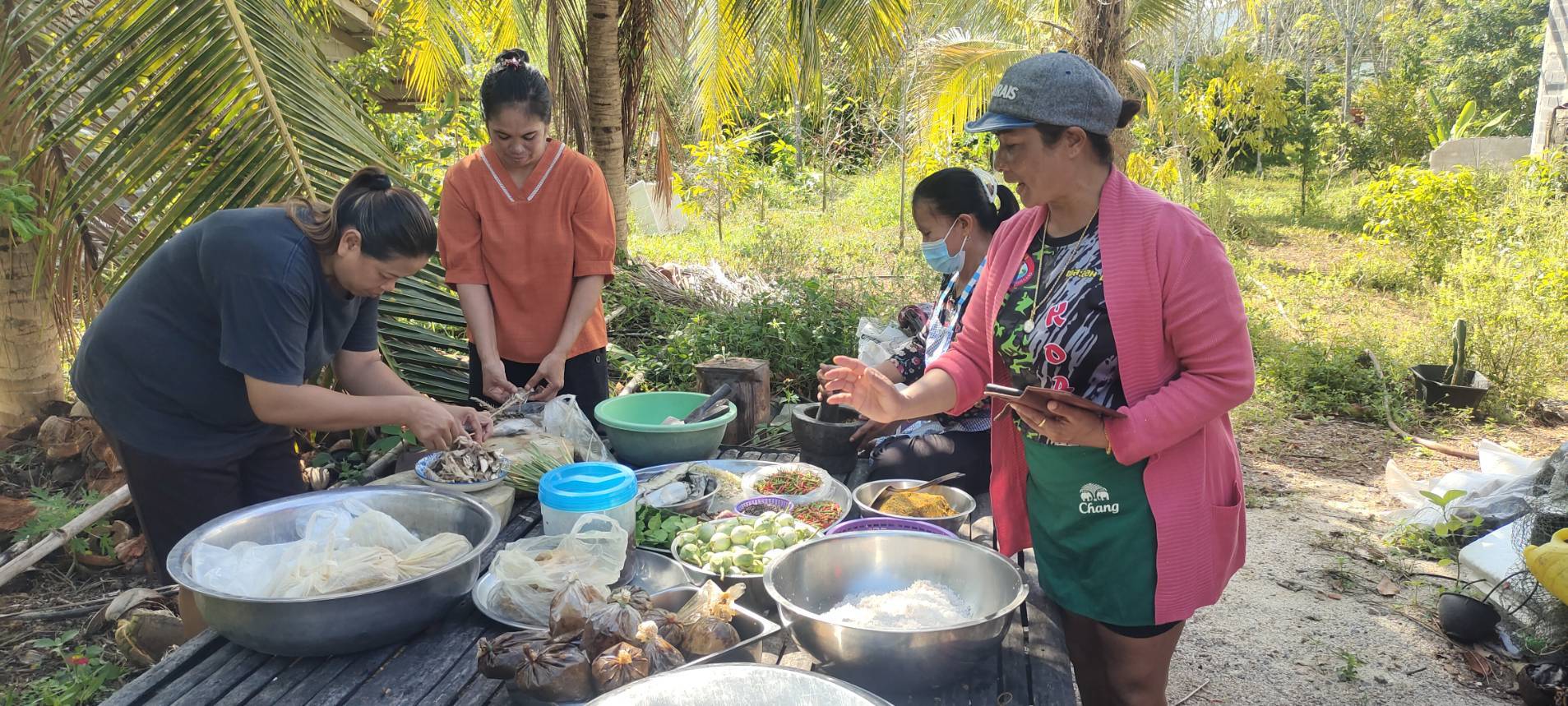
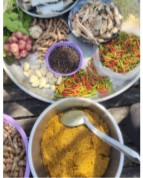
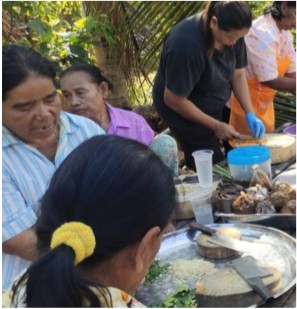
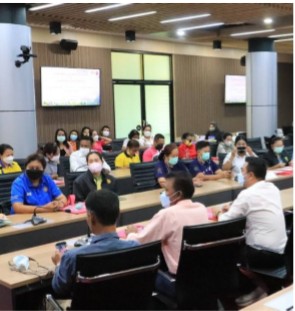
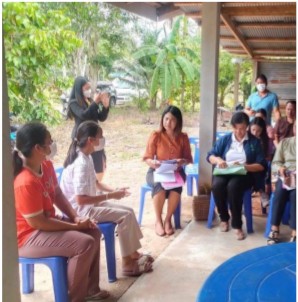
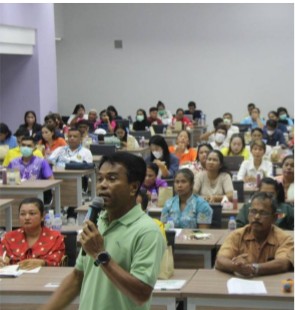
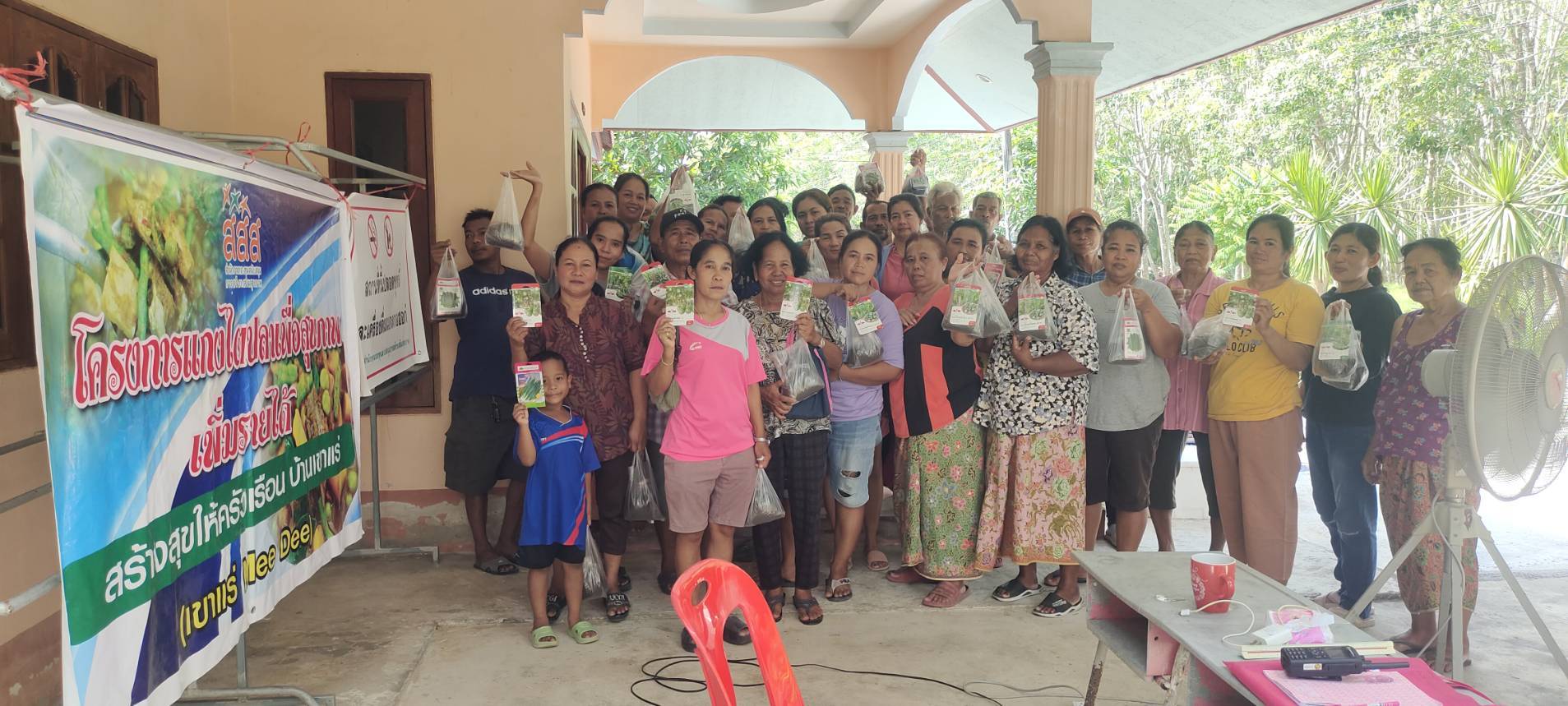
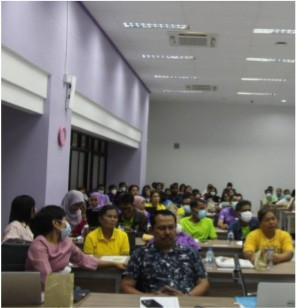
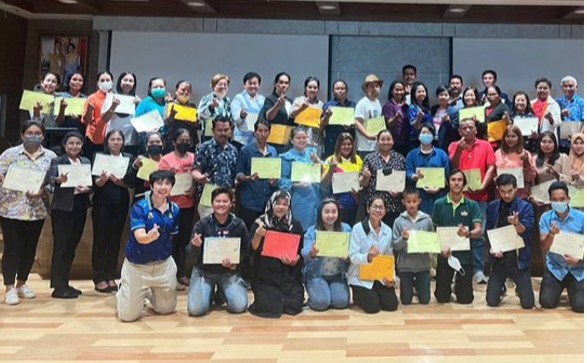
Khao Rae Village, Village No. 3, Pak Phraek Subdistrict, Don Sak District, Surat Thani Province is an area with a total population of 1,289 people (386 households). It is geographically situated near the lush mountains, with fertile soil and consistent rainfall throughout the year. The majority of the population is engaged in agriculture and trade, and the community has a closely-knit social structure. Due to the COVID-19 situation in the years 2019-2022, several social, economic, physical health, and environmental issues emerged in the community. The economic problems were particularly severe, as disease control measures prevented many from conducting their businesses, resulting in unemployment and reduced income. Household debts increased, leading to high levels of stress for up to 60 households. The main target group consists of a working committee of 16 people and a group of affected individuals comprising 49 people. Upon analyzing the community's problems, they were categorized into three main areas: 1) Behavioral Issues: It was observed that unemployed individuals lacked the necessary skills for available jobs (65 people), some had no prior work experience (80 people), and others faced difficulties in choosing suitable employment (42 people). 2) Mechanisms and Systems: Some activities were ongoing, but genuine community cohesion was lacking due to restrictions on gatherings. 3) Environmental Conditions: The measures to reduce the spread of COVID-19 prevented certain activities, including market closures, which resulted in community members not being able to sell their products. This led to surplus goods and spoilage. To address these challenges, a project was initiated with the main objectives as follows: 1) Formation of a Working Committee: A working committee of 16 members was established to define the project's structure and responsibilities. 2) Skills Enhancement and Diversification: The community used its funds to provide training for income-generating activities. Two main occupational groups were formed: one focused on processing Fermented Fish Entrails Soup (Kaeng tai pla), and the other on chemical-free vegetable farming. 3) Mental Health and Quality of Life Improvement: Efforts were made to enhance the mental well-being of affected community members. This involved skill development, stress-relief activities, and safety measures related to their respective occupations. 4) Collaboration with Management Units: Learning was facilitated in three areas: leadership development to drive project results, creative communication strategies for online marketing, and environmental management for occupational safety, covering aspects such as correct posture, sufficient lighting, well-placed equipment, odor control, and noise reduction. The project yielded the following outcomes: 1) Formation of a Leading Group: 1.1 There is a leading group was formed to drive the project's activities, consisting of 16 members. 1.2 The working group has a planning meeting. Evaluate and monitor project implementation regularly and have a work list for every meeting. 1.3 Formation of Group: A group for growing organic vegetables consisting of 25 members and a group for processing fish kidneys and curry paste with 24 members. 1.4 Improved Knowledge and Skills for the Affected Group: The group of affected individuals showed improved knowledge and skills related to income generation, specifically in vegetable farming and Fermented Fish Entrails Soup processing. 2) The affected group has knowledge and skills regarding health promotion and career enhancement. The results found that 2.1 Occupational groups have knowledge and skills in promoting careers in growing vegetables and processing fish kidneys, 80 percent. 2.2 The affected group has knowledge in accounting for household income and expenses, 80 percent. 2.3 Two career promotion groups were born. The structure of the groups' duties and agreements were established. Clear rules for operating the group 3) Establishment of Follow-Up Mechanisms: The project established regular follow-up and evaluation mechanisms for the income-generating groups, maintaining clear roles and agreements. 4) Increased Income and Improved Mental Health for the Affected Group: The group of affected individuals reported increased income and improved mental health, with 80% of them experiencing better mental well-being. Additionally, the vegetable farming group reported increased income or reduced expenses by 80%, and the Fermented Fish Entrails Soup processing group had similar results. Every activity receives cooperation from Governing Officer (village headman), Community health service center, NGO community leader and People in the community. These efforts resulted in positive changes in the community and improved the economic, physical, and mental well-being of the affected individuals.
ภาพประกอบ
ผลกระทบโครงการ
infographic
การนำความรู้ไปใช้ประโยชน์
การเผยแพร่
Facebook สร้างเสริมสุขภาวะชุมชนภาคใต้
ศูนย์บริการวิชาการ
สำนักวิชาพยาบาลศาสตร์ มหาวิทยาลัยวลัยลักษณ์
โรงพยาบาลศูนย์การแพทย์ มหาวิทยาลัยวลัยลักษณ์